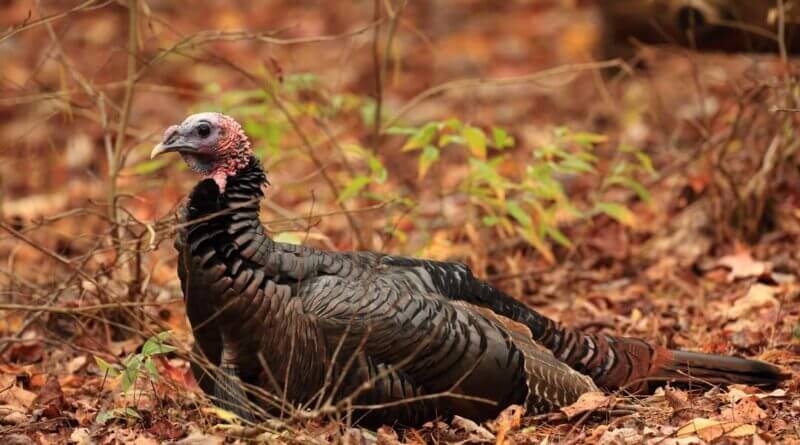
Wild turkeys are well adapted to withstand winter weather, according to wildlife experts. These birds can thrive in climates much colder than Mississippi, extending into northern Canada.
Turkeys’ fluffed feathers trap warm air close to their bodies, providing insulation. They often roost in trees, especially conifers, which keeps them off the cold, damp ground and away from predators. Group roosting also helps reduce heat loss during cold nights.
Habitat plays a crucial role in their winter survival. Mature hardwood forests with diverse oak trees offer food sources when resources are scarce. Acorns, rich in fats and carbohydrates, help turkeys build fat reserves needed to endure winter.
This year’s bumper acorn crop is especially beneficial during recent cold weather, wildlife officials said. Maintaining quality habitat through conservation practices like forest management is essential for supporting healthy turkey populations year-round.
For more information on how wild turkeys survive winter, visit the National Wild Turkey Federation’s website.