The Mississippi Department of Wildlife, Fisheries and Parks has released an article outlining different forest stand improvement (FSI) techniques used in wildlife habitat management.
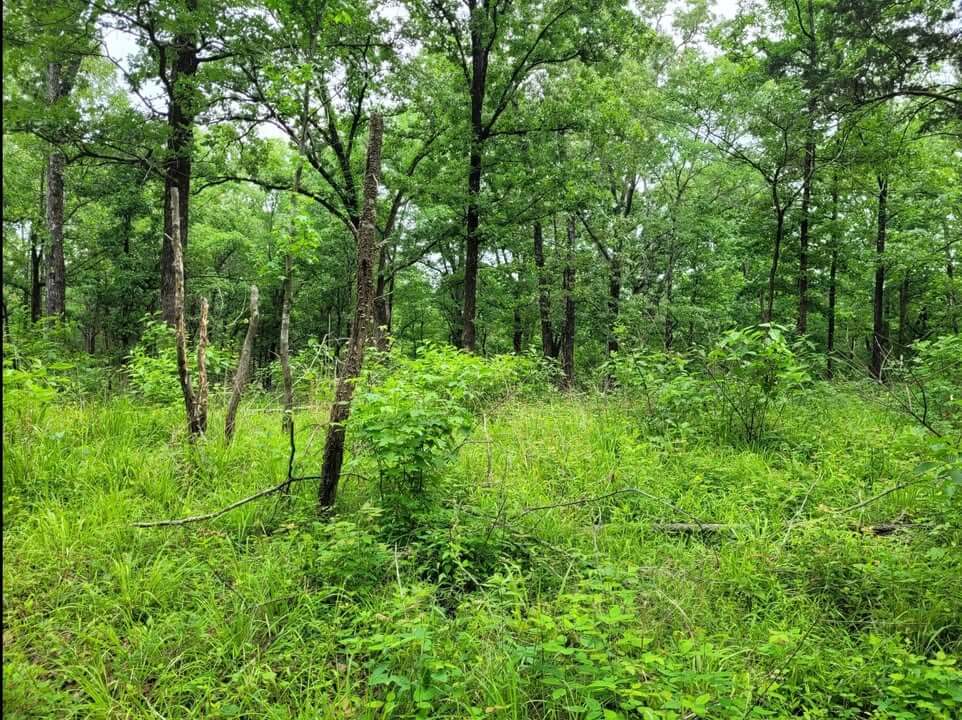
The guide explains how methods such as hack-and-squirt, hinge cutting, cut-stump, basal bark, and girdling influence sunlight exposure, understory growth, and long-term habitat quality. It emphasizes that each technique has distinct effects and should be selected based on specific management goals.
According to the department, understanding when to use each method and how they impact deer and turkey habitats is essential for land managers. The article also highlights which tree species respond best to each technique and notes that opening the canopy—rather than solely removing midstory vegetation—is critical for achieving desired habitat improvements.
Officials say this approach moves beyond simple land clearing, focusing instead on actively enhancing habitat quality for wildlife. The full article can be viewed on the department’s website.